50 Best Restaurants 2025: A Culinary Journey Around the Globe
- Introduction to the Anticipated List
- How “The World’s 50 Best Restaurants” List is Created
- Culinary Trends Shaping the 2025 List
- Exploring Beyond the World’s Top Dining Spots
- Tips for Dining at Elite Global Restaurants
- Why the 50 Best Restaurants 2025 List Matters
The 50 best restaurants 2025 list is one of the most eagerly awaited announcements in the global culinary calendar. For anyone who loves food and travel, seeing which establishments earn a spot on this prestigious list is a moment of pure excitement. It feels like receiving a treasure map to the world’s most incredible dining experiences! This annual ranking isn’t just about naming names; it’s a barometer for the evolving landscape of haute cuisine and a huge driver for culinary tourism. Let’s dive into what makes the 50 Best Restaurants 2025 so significant and what we might expect from this year’s selection.
As someone who’s spent countless hours exploring dining scenes in different cities and devouring food guides, I can tell you that following this list is a fascinating journey. It sparks conversations among chefs, critics, and passionate eaters everywhere. While the official “World’s 50 Best Restaurants” list for 2025 is compiled from the votes of 1,120 international restaurant industry experts and well-travelled gourmets, it’s more than just a simple ranking; it’s a snapshot of opinions and experiences shared by people deeply immersed in the global food world.
How “The World’s 50 Best Restaurants” List is Created
Understanding the methodology behind the 50 Best Restaurants 2025 list is key to appreciating its impact. The list is organized and compiled by William Reed and relies on the votes of The World’s 50 Best Restaurants Academy. This Academy is a diverse, gender-balanced group of 1,120 international experts, including food writers, critics, chefs, restaurateurs, and well-travelled gourmets, split into 28 separate regions globally.
Each member of the Academy casts 10 votes, basing their decisions solely on their personal dining experiences from the past 18 months. Importantly, there’s no pre-determined checklist of criteria. What constitutes “best” is left entirely to the judgment of these experienced palates. Members must vote for restaurants they have actually visited recently. To ensure freshness and diversity, at least 25% of the panelists in each region change annually. This confidential voting process is independently adjudicated by Deloitte, adding a layer of credibility.
It’s different from other guides, like the Michelin Guide, which uses anonymous inspectors who focus purely on the food on the plate based on five specific criteria: quality of ingredients, harmony of flavors, mastery of technique, the chef’s personality, and consistency. The 50 Best list, while prioritizing culinary excellence, allows voters to consider a broader dining experience, though the primary focus remains the food.

This image is a fictional image generated by GlobalTrendHub.
“>
Culinary Trends Shaping the 2025 List
Predicting the exact establishments that will make the 50 best restaurants 2025 ranking is impossible, but we can certainly anticipate the culinary trends likely to influence the voters. Sustainability continues to be a dominant force in the food industry. Expect to see restaurants recognized for their commitment to eco-friendly practices, from locally sourced ingredients and zero-waste cooking to sustainable packaging and efforts to support local communities.
Plant-based dining is also evolving rapidly. We’re seeing more sophisticated and creative plant-based options that go far beyond simple meat substitutes. Advances in food technology are leading to more realistic and novel plant-based proteins, including alternatives to seafood. Forgotten vegetables, fermented products like pickles and kefir, and the use of edible flowers and adaptogenic ingredients like mushrooms are also making their way onto high-end menus.
Beyond sustainability and plant-forward approaches, other trends are likely to appear among the world’s best dining spots. There’s a growing interest in less-travelled cuisines – Southern States American, Greek, Turkish, Argentinian, Portuguese, and Swiss, as well as a rising appeal for regional cuisines like Scottish, Welsh, and Irish in the UK. We’re also seeing a new wave of interest in foreign cuisines like Eastern European, Korean, and a new wave of Japanese influences, such as handrolls and sake. Social media continues to play a significant role, with visually stunning dishes and unique dining experiences designed for sharing online.
Furthermore, a focus on holistic well-being, the biotech revolution in food, a pivot towards local supply chains, and using food as medicine are all expected to gain traction in 2025. The emphasis on texture, particularly ‘crunch’, is another trend highlighted, appearing in everything from snacks to desserts and even drinks. Sourdough, which saw a resurgence, is also showing up in more innovative forms beyond traditional bread.
Innovation and Experience: Hallmarks of the Leading Culinary Destinations
It’s not just about the food on the plate anymore; the overall dining experience is paramount. The 50 Best list often celebrates restaurants that push boundaries with innovative techniques and create immersive experiences that go beyond just eating. This could involve unique settings, interactive elements, or narratives woven into the meal. Pop-ups and restaurant residences are also becoming more influential, allowing chefs to experiment and reach new audiences.
Consider the rising popularity of personalised nutrition enabled by AI or the focus on “real” foods from natural processes. These trends influence how chefs design menus and how diners perceive value. A restaurant that can seamlessly blend cutting-edge innovation with authentic flavors and a memorable atmosphere is likely to capture the attention of Academy voters.
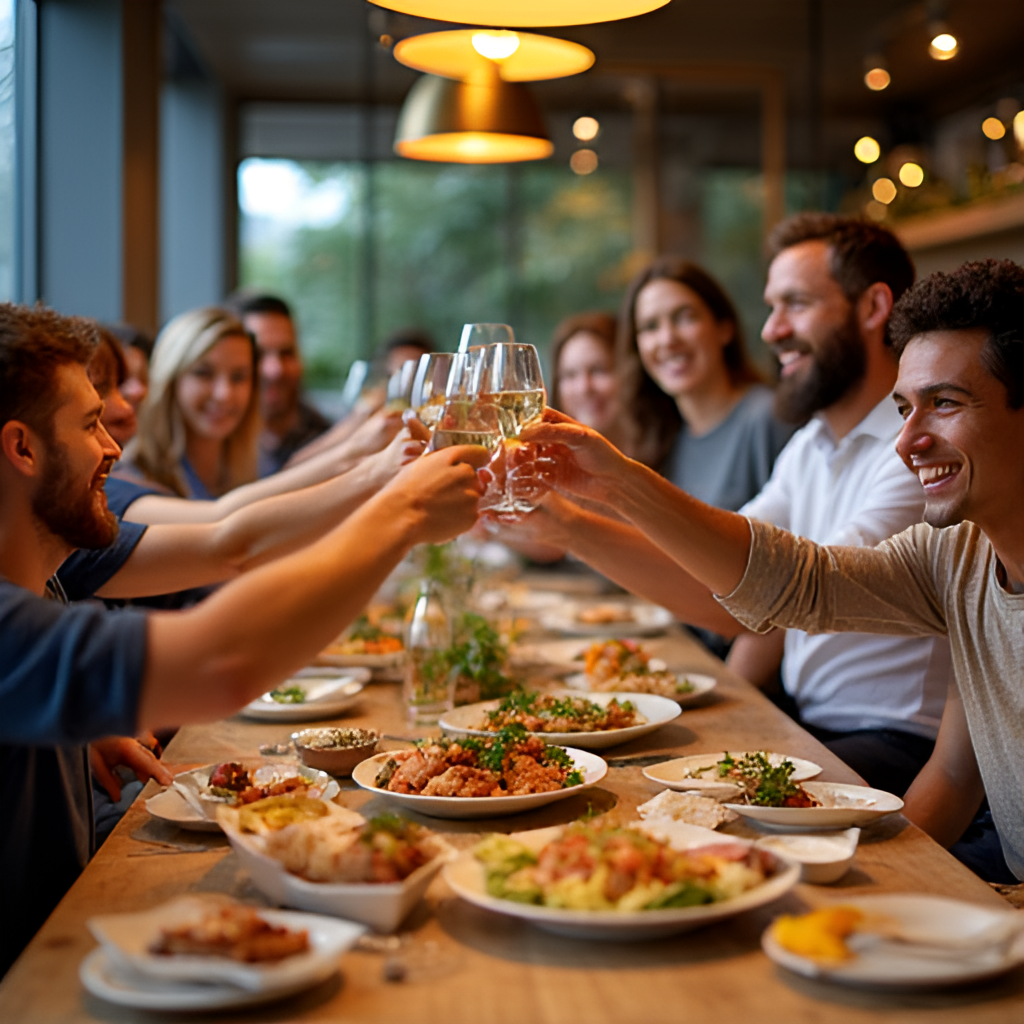
This image is a fictional image generated by GlobalTrendHub.
“>
Exploring Beyond the World’s Top Dining Spots
While the spotlight shines brightest on the top 50 best restaurants 2025, it’s worth remembering that the “World’s 50 Best” organization also releases an extended list ranking restaurants from 51 to 100. This list is equally valuable, highlighting incredible establishments that are on the rise or offer exceptional dining without the intense global hype (and often, the booking difficulty) of the very top tier. Exploring this 51-100 list can uncover hidden gems and introduces you to culinary excellence in a wider range of locations.
Moreover, independent food critics, local guides, and the ever-expanding Michelin Guide selections provide fantastic alternatives for discovering world-class dining. Michelin, for instance, continues to expand its reach, adding new cities and even entire countries to its coverage, offering stars, Bib Gourmands (great food at reasonable prices), and simple recommendations based on their rigorous inspection process. My personal experience tells me that some of the most memorable meals can be found just outside the top rankings, in places celebrated by local experts.
Tips for Dining at Elite Global Restaurants
If you’re inspired to visit some of these leading culinary destinations, planning is essential. Restaurants on the 50 Best list are often incredibly difficult to book. Reservations can open months in advance and disappear within minutes. My best advice? Be flexible with your dates and times, sign up for restaurant newsletters, follow them on social media for announcements, and consider using booking platforms they might partner with (like American Express Resy, a sponsor of the World’s 50 Best).
Also, be prepared for a significant financial investment. Dining at these establishments is an experience, and the price reflects the quality of ingredients, the skill of the chefs, the service, and the ambiance. Consider if a tasting menu or a la carte better suits your preference and budget. Don’t hesitate to ask about wine pairings or non-alcoholic beverage options, as many top restaurants offer innovative drink programs.
Beyond the booking, remember to immerse yourself in the moment. These are often multi-hour experiences designed to engage all your senses. Talk to the staff, ask questions about the dishes and ingredients, and truly savour each bite. It’s not just a meal; it’s a performance, a story, and a journey of flavour.
For further inspiration and to potentially discover restaurants on previous lists or regional rankings, you might explore resources like the official World’s 50 Best Restaurants website or the Michelin Guide website.
Why the 50 Best Restaurants 2025 List Matters
In conclusion, the release of the 50 best restaurants 2025 list is far more than just an annual ranking; it’s a global event that influences travel, inspires chefs, and showcases the pinnacle of culinary artistry. It highlights innovation, celebrates diverse cultures, and helps set trends for the future of dining. While getting a table at one of the absolute top spots can be a challenge, the list encourages exploration and appreciation for high-quality gastronomy worldwide. As someone who believes in the power of food to connect people and cultures, I see this list as a valuable guidepost, pointing us toward extraordinary experiences that linger in memory long after the last bite.
The conversation around the 50 best restaurants 2025 will undoubtedly spark debates and introduce new names to the global stage, reinforcing the dynamic and ever-evolving nature of the culinary world. It reminds us that excellence in dining is a continuous pursuit, driven by passion, creativity, and a deep respect for ingredients and tradition.