Iran Earthquake Today: Understanding the Seismic Reality
- Understanding Iran’s Seismic Landscape
- The Geological Forces at Play
- A History of Tremors: Past Iran Earthquakes
- Impact and Consequences of Seismic Activity in Iran
- Preparedness and Mitigation Efforts
- Addressing Concerns and Misconceptions
- Looking Ahead: Navigating the Future of Earthquakes Happening in Iran
- Frequently Asked Questions About Iran Earthquakes
An iran earthquake today isn’t an isolated event; it’s a stark reminder of the country’s position on one of the world’s most active seismic belts. As someone who has followed seismic trends and their human impact for years, I find the situation in Iran particularly compelling and, frankly, concerning. You might hear about a significant tremor hitting the news wires and wonder, “What’s really going on?” It’s more than just shaking ground; it’s about geology, history, infrastructure, and the resilience of millions. This article delves into why earthquakes happening in Iran are so frequent and what that means for the people living there.
The Geological Forces at Play Behind Seismic Activity in Iran
Iran sits squarely on the Alpine-Himalayan seismic belt, a vast collision zone where several major tectonic plates interact. The primary drivers are the collision of the Arabian plate with the Eurasian plate. This immense, slow-motion bumper car scenario creates enormous stress along numerous fault lines crisscrossing the Iranian plateau. Think of it like pushing two tables together – eventually, something has to give, and that ‘giving’ is an earthquake. This intense pressure leads to active folding, faulting, and even volcanic activity across the country.
The Zagros fold and thrust belt in western Iran, for instance, is a result of this ongoing collision. Further north, the Alborz Mountains also experience significant crustal shortening due to these tectonic forces. Even major cities like Tehran are located on or near active fault lines, making them particularly vulnerable. Experts have highlighted that these fault lines are active, and even small tremors can indicate the build-up of stress that could lead to a much larger event.
It’s a dynamic geological environment, constantly under stress. This is why seismic activity in Iran isn’t just a possibility; it’s a certainty. We might not know exactly when or where the next major event will strike, but the underlying geological conditions make tremors a regular occurrence.
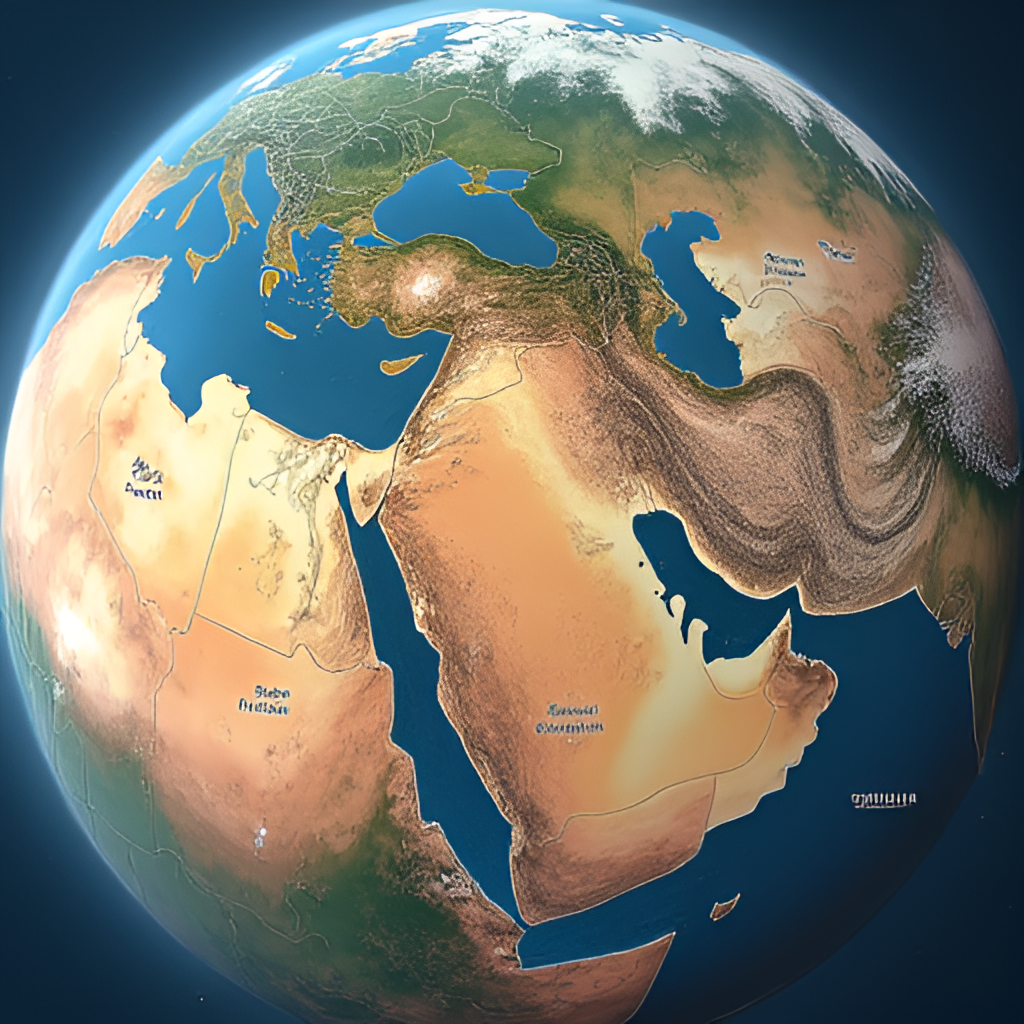
This image is a fictional image generated by GlobalTrendHub.
A History of Tremors: Major Earthquakes in Iran
Iran has a long and tragic history of devastating earthquakes. Looking back through historical records reveals a pattern of significant seismic events that have claimed thousands of lives and reshaped landscapes and communities. Since 1900 alone, earthquakes have caused at least 126,000 fatalities in Iran.
Some of the most impactful events include:
- The 1962 Buin Zahra earthquake (magnitude 7.2), which killed over 12,000 people.
- The 1978 Tabas earthquake (magnitude 7.8), resulting in 15,000 deaths.
- The devastating 1990 Manjil-Rudbar earthquake (magnitude 7.4), which was the most deadly in Iran’s recorded history, killing around 50,000 people and injuring 100,000. Over 500,000 were left homeless.
- The 2003 Bam earthquake (magnitude 6.6), which tragically killed over 31,000 people and destroyed 90% of the city’s infrastructure.
- The 2017 Kermanshah earthquake (magnitude 7.3) near the Iran-Iraq border, which resulted in hundreds of deaths and thousands of injuries.
These are just a few examples, highlighting the constant threat posed by major earthquakes in Iran. The sheer number of recorded events, over 6,000 in 2023 alone according to the Iranian Seismological Center, underscores the pervasive nature of this risk.
My experience reviewing disaster reports tells me that each major event, while a tragedy, also provides invaluable (though hard-won) lessons about building resilience, improving response, and understanding the specific vulnerabilities of different regions and building types within Iran.
The Human and Economic Impact of Seismic Activity in Iran
The consequences of earthquakes in Iran extend far beyond the immediate shaking. The human toll is, of course, the most profound. Loss of life, injuries, and displacement are tragically common outcomes. The 2017 Kermanshah quake, for instance, left 100,000 people homeless. The psychological impact on survivors, who may lose loved ones, homes, and livelihoods in an instant, is immeasurable and long-lasting.
Economically, the cost is staggering. Earthquakes have caused widespread damage to infrastructure, including roads, bridges, schools, and vital water facilities. Traditional building methods, particularly in rural areas, often utilize materials like mud and clay, which are highly susceptible to collapse during tremors. This vulnerability means that even moderate earthquakes can cause significant destruction and casualties.
Over the past century, Iran has reportedly spent trillions of dollars on earthquake-related disasters, primarily on response and recovery efforts. These events can cripple local economies, disrupting agriculture and tourism, as seen after the Bam earthquake, where it took years for tourist confidence to return. The potential economic damage from a major earthquake in a densely populated area like Tehran is almost unfathomable, with some estimates suggesting billions in losses.
Furthermore, the disruption to essential services like communication, electricity, and water during and after a quake can exacerbate the crisis, hindering rescue efforts and making life incredibly difficult for survivors.
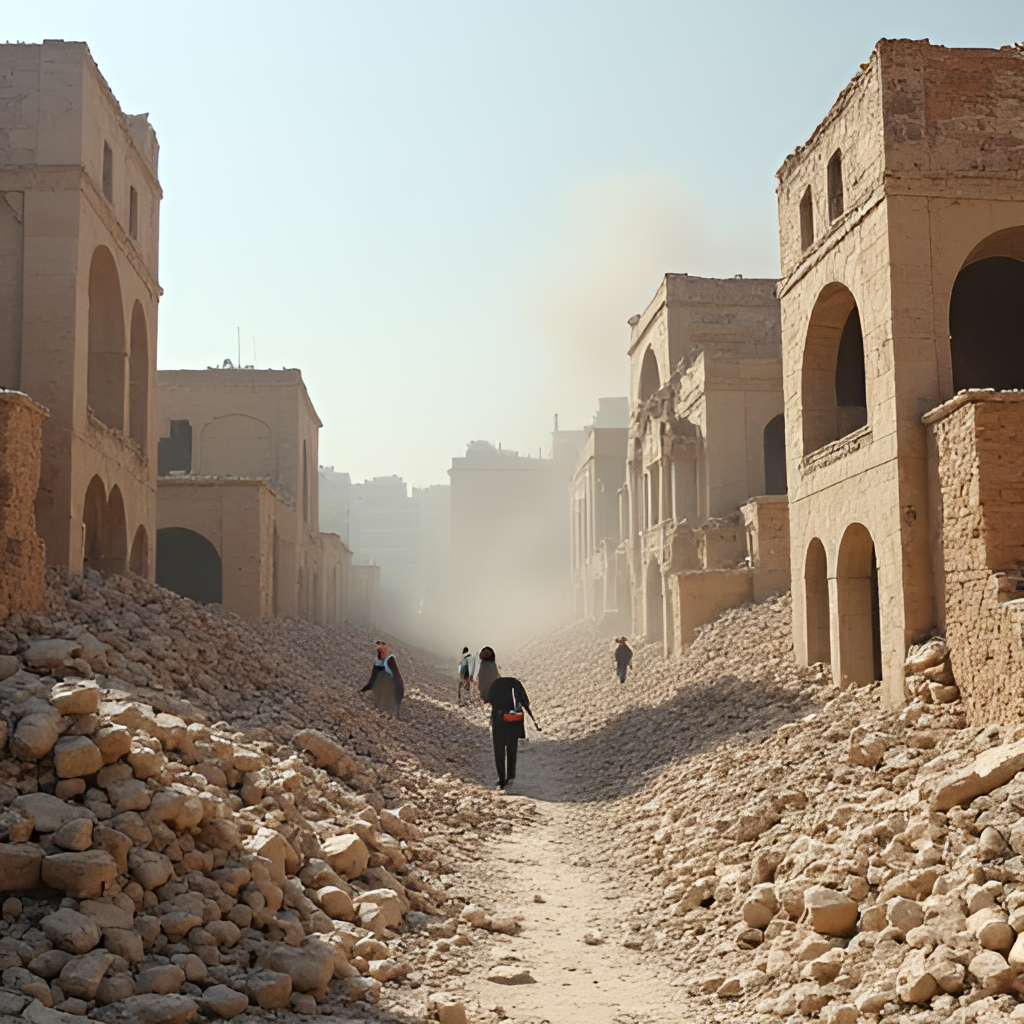
This image is a fictional image generated by GlobalTrendHub.
Preparedness and Mitigation Efforts Against Earthquakes Happening in Iran
Given the constant threat, preparedness and mitigation are critical for reducing the impact of earthquakes happening in Iran. The good news is that efforts are being made, though challenges remain. The Iranian government and various organizations have focused on improving public knowledge and implementing disaster preparedness programs. The Iranian Red Crescent Society, for example, plays a key role in disaster response and public awareness campaigns.
School earthquake drills are held annually across the country to educate students on how to respond safely. There are also neighborhood preparedness programs, particularly in larger cities like Tehran, aimed at empowering communities to take action. Initiatives specifically addressing the needs of vulnerable populations, such as children with disabilities, are also being implemented, which is a crucial step towards inclusive disaster preparedness.
However, challenges persist. Some experts warn that despite repeated warnings and existing plans, necessary preparedness measures, particularly in urban planning and reinforcing older buildings, have not been fully implemented or enforced. The rapid expansion of cities like Tehran, often in seismically active zones, has increased the overall risk.
Strengthening infrastructure, enforcing building codes, and ensuring that modern buildings are constructed to withstand seismic forces are vital long-term strategies. While progress has been made in disaster plan management, other areas, such as structural safety, still show room for improvement.
Ultimately, preparedness is a shared responsibility, involving government agencies, organizations, and individual citizens. Increasing awareness, conducting regular drills, and investing in resilient infrastructure are key to mitigating the devastating effects of future seismic events.
“A major earthquake in Tehran is not a question of ‘if’ but ‘when.’ The delay in its occurrence only increases the risk.” – Seismologist Fariborz Nateqi-Elahi.
This quote really drives home the urgency of continuous preparedness efforts.
Addressing Concerns and Misconceptions
Whenever an iran earthquake today or recent Iran tremor occurs, speculation can arise, especially given the geopolitical context of the region. One notable area of discussion, particularly following quakes near sensitive sites, has been the potential link between seismic events and nuclear activities or military actions.
Scientific consensus, however, distinguishes between natural earthquakes and those that could potentially be induced by human activities like underground nuclear explosions. While such explosions can trigger small, localized tremors by releasing tectonic stress, these events typically have distinct seismic wave patterns (primarily P-waves) compared to natural earthquakes (producing both P and S-waves). Experts, including those from the USGS and CTBTO, generally analyze seismic data to determine the nature of an event, and recent quakes in Iran have largely been consistent with natural tectonic activity.
It’s important to rely on scientific data and expert analysis rather than unconfirmed speculation when understanding the cause of seismic events. Iran’s geological setting alone provides sufficient explanation for the frequency and intensity of its earthquakes.
Looking Ahead: Navigating the Future of Earthquakes Happening in Iran
The reality is that earthquakes will continue to be a part of life in Iran due to its challenging geological location. While we can’t prevent an iran earthquake today or tomorrow, we can significantly reduce its impact through proactive measures. The lessons learned from past tragedies, coupled with ongoing scientific research and preparedness efforts, are crucial for building a more resilient future.
For anyone living in or visiting seismically active regions of Iran, understanding the risks and knowing basic safety protocols is paramount. Drop, Cover, Hold On – it’s a simple but potentially life-saving mantra. Investing in earthquake-resistant construction, improving early warning systems, and fostering a culture of preparedness at all levels of society are long-term goals that require sustained effort and investment.
My hope is that increased awareness and continued dedication to preparedness will help minimize the devastation caused by future earthquakes happening in Iran, turning potential catastrophes into manageable challenges and protecting lives and communities.
Frequently Asked Questions About Iran Earthquakes
Q: Why does Iran experience so many earthquakes?
A: Iran is located on the Alpine-Himalayan seismic belt, where the Arabian tectonic plate is colliding with the Eurasian plate. This ongoing collision creates immense stress and numerous active fault lines throughout the country, leading to frequent seismic activity.
Q: What are the most earthquake-prone areas in Iran?
A: Significant seismic activity occurs across much of Iran, with major fault lines covering at least 90% of the country. Historically, areas like Tabriz, Ray, Neishabour, and the Zagros region have experienced significant quakes. Major cities like Tehran are also situated on active fault lines, posing a considerable risk.
Q: How prepared is Iran for a major earthquake?
A: Iran has a long history of dealing with earthquakes and possesses significant national capacity for disaster response, particularly through organizations like the Iranian Red Crescent Society. Preparedness programs, including school drills and neighborhood initiatives, are in place. However, challenges remain, particularly in urban planning, building code enforcement, and ensuring consistent implementation of mitigation strategies across all regions.
Q: Can earthquakes in Iran be caused by human activity?
A: While large underground explosions can potentially induce minor, localized tremors, the vast majority of earthquakes in Iran are natural events caused by the movement of tectonic plates. Scientific analysis of seismic waves can typically distinguish between natural and induced events.
Q: What should someone do during an earthquake in Iran?
A: The standard safety advice is “Drop, Cover, Hold On.” Drop to the ground, take cover under a sturdy piece of furniture, and hold on until the shaking stops. If outdoors, move to an open area away from buildings and utility lines. Follow instructions from local authorities.
Q: How can I learn more about earthquake safety in Iran?
A: Look for resources from official sources like the Iranian Seismological Center, the Iranian Red Crescent Society, and local disaster management organizations. International organizations like UNICEF and OCHA also work on preparedness initiatives in the region and may offer valuable information.
Here are a couple of external resources you might find helpful:
Remember, staying informed and prepared is key to navigating the risks posed by earthquakes in this seismically active region.